
Structural and Domestic Challenges
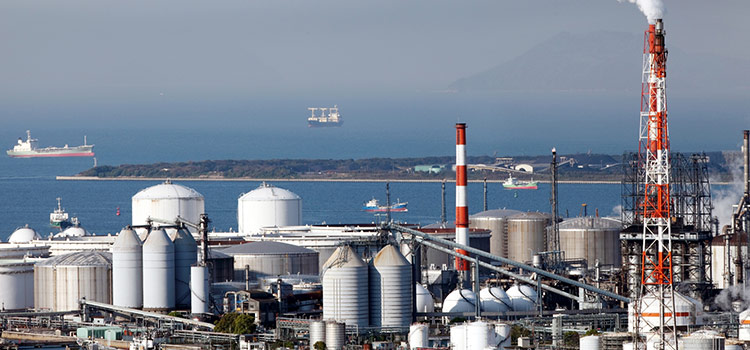
The oil and gas industry remains the lifeblood of Nigeria’s economy, yet the sector is burdened by deep-rooted domestic constraints. Infrastructure is one of the biggest bottlenecks. Despite being Africa’s largest crude producer, Nigeria imports much of its refined petroleum due to aging refineries and insufficient local processing capacity. This paradox not only drains foreign reserves but also weakens energy security.
Security concerns further complicate matters. The Niger Delta, rich in hydrocarbons, is plagued by oil theft, vandalism, and militant activities that shave billions off national revenues annually. Pipelines are frequently breached, disrupting supply chains and discouraging new investments. Beyond these, policy inconsistencies and slow bureaucratic processes hinder growth. Regulatory uncertainty often leaves investors wary, while governance inefficiencies delay reforms that could have unlocked new opportunities.
Global Pressures and the Road to Adaptation
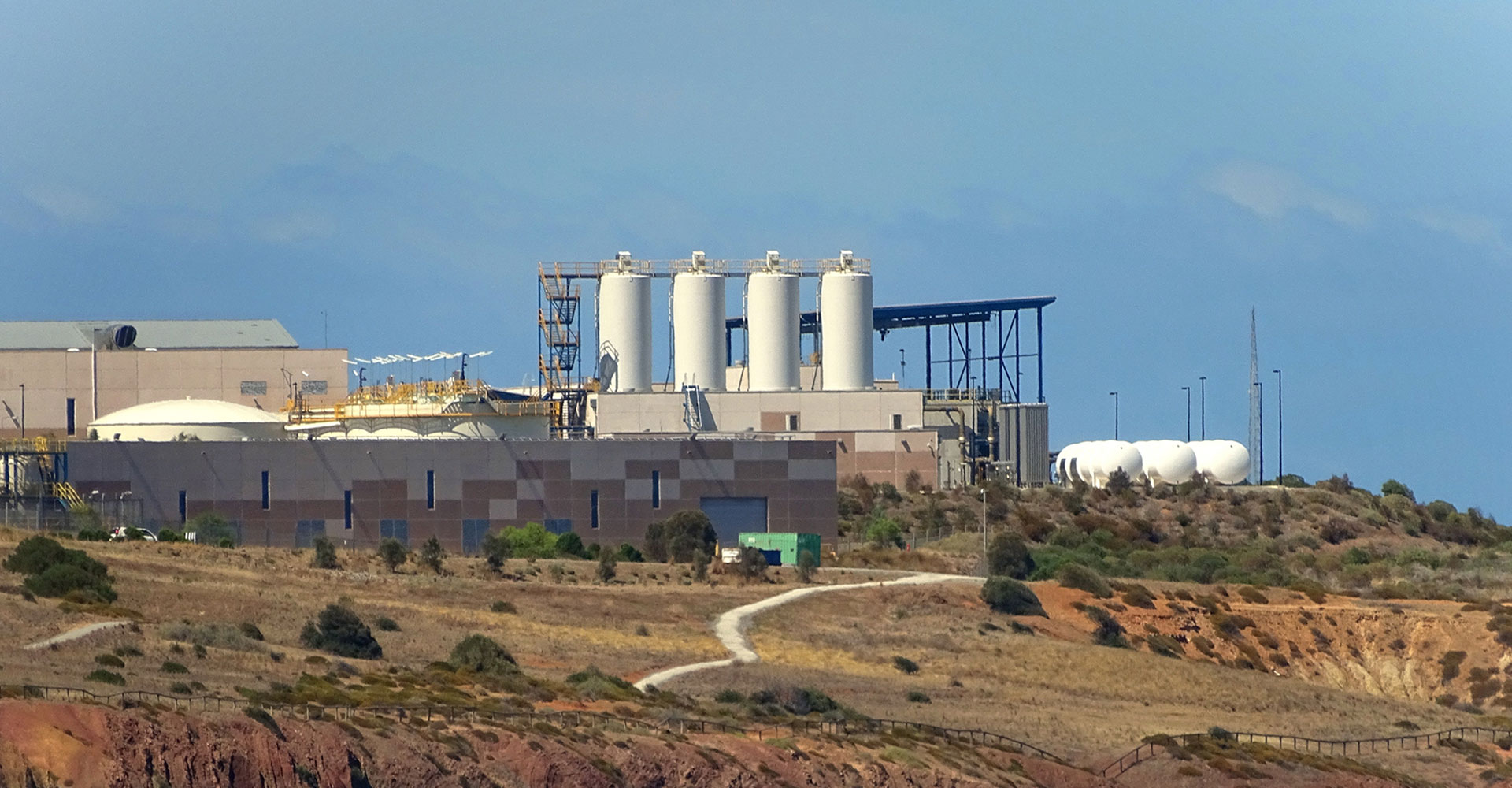
On the global stage, Nigeria’s oil and gas sector faces mounting pressure to adapt. Climate change concerns and stringent environmental standards are reshaping investment flows. Energy companies worldwide are divesting from high-carbon projects, channeling funds instead toward renewables and low-emission technologies. This shift poses a direct threat to Nigeria’s long-term reliance on crude exports.
Competition is intensifying as renewable energy gains traction across Africa and beyond. Solar and wind projects are becoming more cost-efficient, gradually eroding oil’s dominance. To remain competitive, Nigeria must leverage its natural gas reserves as a transitional energy source while also investing in cleaner, sustainable alternatives.
The path forward lies in diversification and innovation. The government must reduce dependence on hydrocarbons by strengthening agriculture, manufacturing, and technology sectors. Simultaneously, the oil and gas industry must embrace environmental stewardship, better governance, and strategic partnerships. The challenges are immense, but with decisive action, the sector can reinvent itself and remain central to Nigeria’s economic future.