
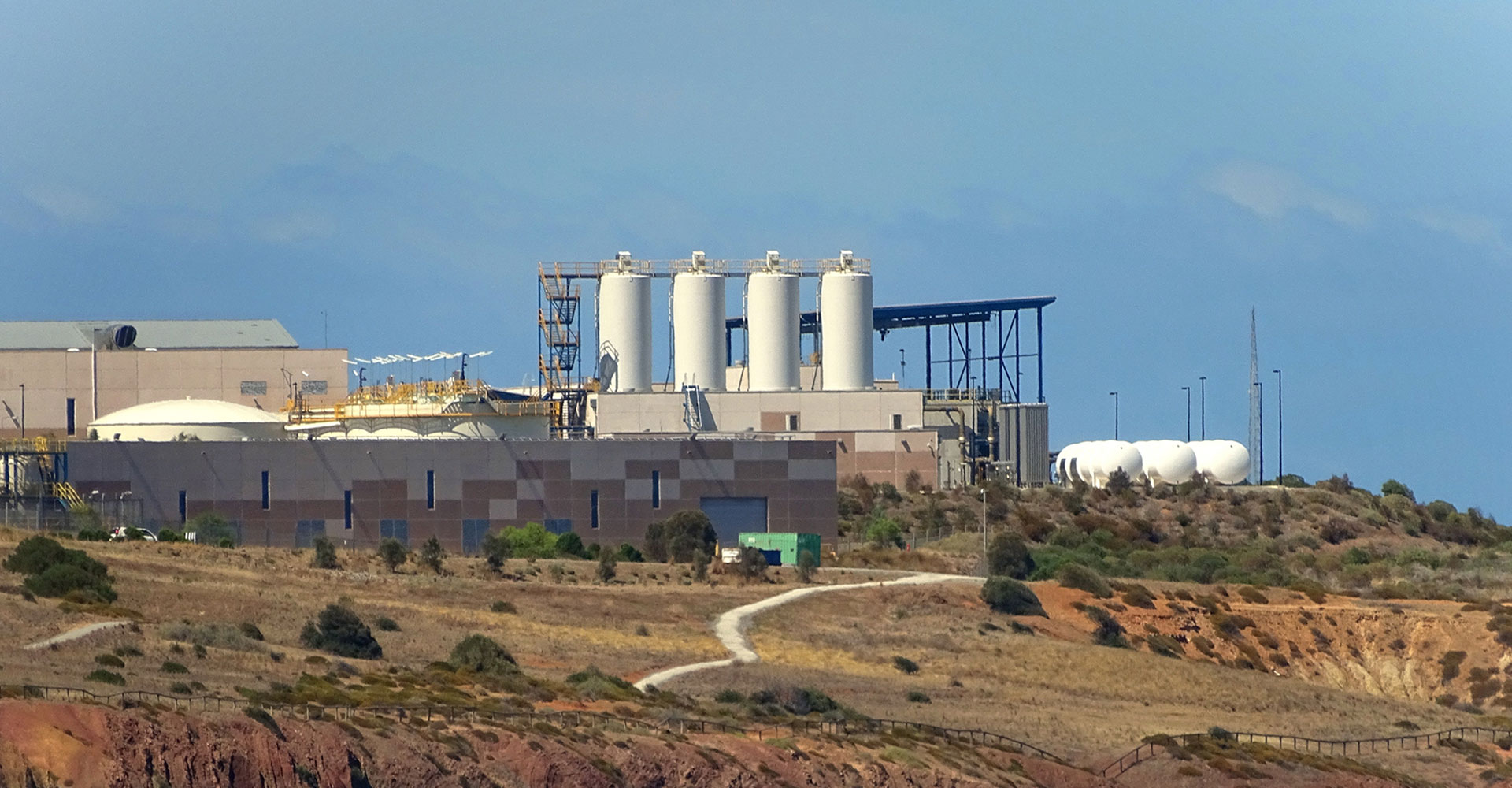
Growth: Economic Engine, Infrastructure, and Opportunities
Oil and gas remain the lifeblood of Nigeria’s economy, shaping its destiny for decades. The discovery of oil in Oloibiri in 1956 changed the nation’s trajectory. Overnight, Nigeria became a global player, with petroleum exports forming the backbone of national revenue. The sector fuels over 90% of Nigeria’s foreign exchange earnings, creating jobs, sustaining local contractors, and powering ancillary industries.
Beyond financial strength, the industry has driven infrastructure. Pipelines snake across the country, linking refineries, export terminals, and depots. Cities such as Port Harcourt and Warri owe their industrial growth to oil-driven investments. Multinational companies have invested in schools, hospitals, and skills programs. Nigeria’s Liquefied Natural Gas (LNG) projects remain competitive, attracting foreign capital. At the same time, policies such as the Petroleum Industry Act (PIA) and local content development have sought to increase transparency and empower indigenous firms.
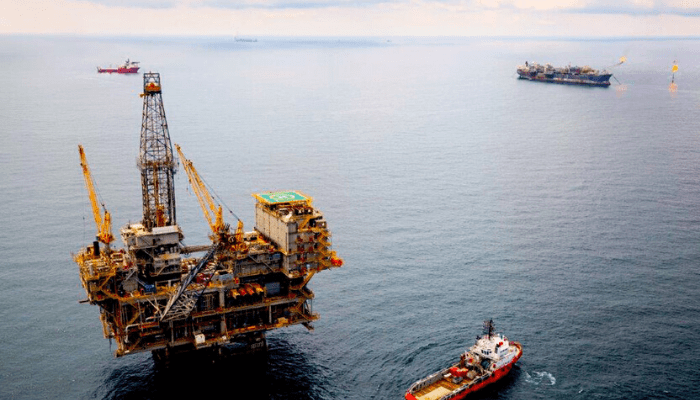
Decline: Challenges, Global Shifts, and the Path Forward
Yet the story isn’t without shadows. Oil theft drains billions annually, while pipeline vandalism disrupts production. Environmental degradation and gas flaring scar ecosystems, displacing communities. Globally, the clean energy transition and declining demand cast a long-term threat. OPEC quotas, price volatility, and competition from emerging producers like Guyana and Mozambique further squeeze Nigeria’s margins.
The path forward demands diversification into agriculture, manufacturing, and technology. Sustainable energy investments must complement oil revenues, ensuring resilience against market shocks. Oil and gas have propelled Nigeria into prominence, but the sector now stands at a crossroads. Growth is possible, but only with reforms, innovation, and a bold shift toward sustainability.